

"Turmeric Golden Magic from Cooking to Skincare"
*Turmeric’s Golden Magic From Cooking to Skincare*
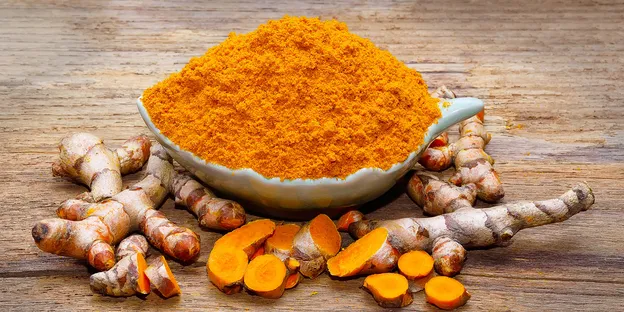
Turmeric. Just hearing the name brings to mind a bright yellow powder with an earthy, sun-warmed smell. From the little jar in the kitchen to the face pack your grandmother used to make, turmeric has been part of Bengali life for centuries. Calling it just a spice doesn’t do it justice. It’s color, medicine, beauty, and tradition all in one.
Let’s talk about this “golden magic” and how a simple root changes the flavor of food, keeps the body healthy from the inside, and brings a glow to the skin on the outside.
1. What Turmeric Is and Why It’s Special
Turmeric’s scientific name is _Curcuma longa_. It’s a rhizome from the ginger family. When dried and ground, it becomes the powder we use daily. The yellow color comes from curcumin, the compound responsible for most of turmeric’s anti-inflammatory, antioxidant, and antibacterial properties.
In Ayurveda, turmeric is called “Haridra.” Texts like the Charaka Samhita and Sushruta Samhita recommend it for wound healing, skin conditions, and digestion. Modern science now backs this up: curcumin reduces oxidative stress, lowers inflammation, and supports immune function.
But the beauty of turmeric is that it never stayed locked in a lab. It stayed in people’s hands, in everyday life.
2. Turmeric’s Reign in the Kitchen
Bengali cooking is hard to imagine without turmeric. Whether it’s fish curry, meat kosha, dal, or vegetables, a pinch of turmeric changes the color instantly.
*Why do we use it?*
1. *Color*: Turmeric gives food a golden hue. It looks appealing, and that makes you want to eat more.
2. *Flavor*: Raw turmeric has a slight bitter, pungent note. When cooked with oil and spices, it turns warm and earthy.
3. *Preservative*: Before refrigerators, turmeric helped keep fish and meat from spoiling quickly. That’s thanks to its antibacterial properties.
4. *Aids Digestion*: Turmeric stimulates bile production, so even oily, spicy food digests more easily.
*Classic uses:*
- *Marination*: Rub fish or chicken with turmeric, salt, and lemon 30 minutes before cooking. It removes odor and reduces bacteria.
- *Golden Milk*: Warm milk with a pinch of turmeric, black pepper, and honey works wonders for colds and coughs. It also helps you sleep better.
- *Dal and Khichuri*: Moong dal khichuri without turmeric feels incomplete. Turmeric makes lentils easier to digest.
- *Pickles*: Adding turmeric to mango or lemon pickle helps preserve it longer.
Small tip: Curcumin is fat-soluble. Cooking it with oil or ghee increases absorption 7-8 times. And piperine in black pepper boosts curcumin bioavailability by up to 200%. That’s why turmeric and black pepper together isn’t just for taste—it’s science.
3. Turmeric as Medicine, Not Just Food
In villages, if someone gets a cut, the first thing people do is apply turmeric powder. It helps blood clot and prevents infection.
*7 proven benefits for health:*
1. *Reduces Inflammation*: Curcumin works like a painkiller for arthritis and joint pain. Studies show it’s close to ibuprofen, without the side effects.
2. *Antioxidant*: It neutralizes free radicals, slowing down cellular aging.
3. *Good for the Brain*: Curcumin increases BDNF, a protein that supports neuron growth. Memory stays sharper.
4. *Heart Health*: It improves endothelial function in blood vessels, lowering heart attack risk.
5. *Cancer Prevention*: Some studies suggest curcumin slows cancer cell growth. It’s not a treatment, but it helps with prevention.
6. *Lifts Mood*: It balances serotonin and dopamine levels, helping with mild depression.
7. *Liver Detox*: It activates liver enzymes that help flush out toxins.
Caution: 1-3 grams per day is safe. Too much can cause stomach upset. If you have gallbladder issues, are pregnant, or take blood thinners, check with a doctor first.
4. Turmeric’s Magic in Skincare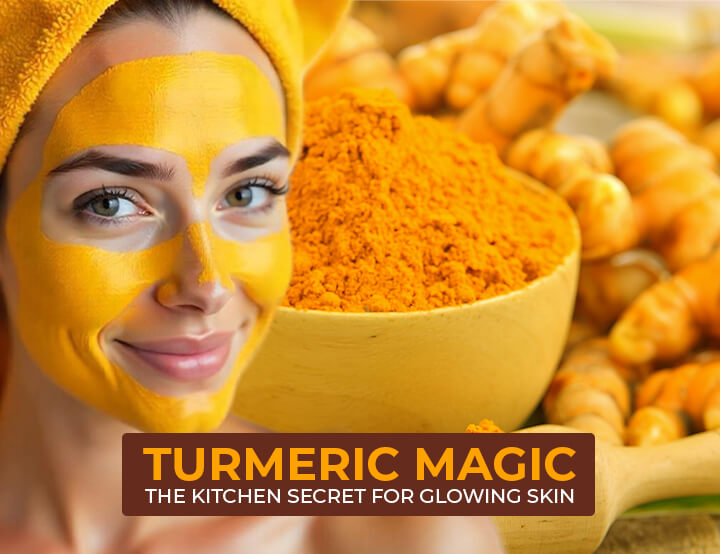
Now for the fun part—beauty. The “gaye holud” ceremony before weddings isn’t just tradition. There’s science behind it.
*How turmeric helps skin:*
- *Reduces Acne*: Antibacterial properties kill P. acnes bacteria.
- *Fades Marks*: It lowers melanin production, reducing dark spots and tan.
- *Firms Skin*: Slows collagen breakdown, so fewer wrinkles form.
- *Boosts Glow*: Improves circulation, giving skin a natural radiance.
- *Soothes Eczema and Psoriasis*: Reduces inflammation and itching.
*3 simple DIY packs:*
*1. Glow Pack – for dry skin*
- Pinch of turmeric
- 1 tsp gram flour
- 1 tsp yogurt
- Few drops honey
Mix, apply for 15 minutes, rinse off. Use twice a week for softer, brighter skin.
*2. Acne Control Pack – for oily skin*
- Pinch of turmeric
- 1 tsp multani mitti
- Rose water
Make a paste, leave for 10 minutes, rinse. It absorbs excess oil and calms breakouts.
*3. Dark Circles*
- Pinch of turmeric
- 1 tsp aloe vera gel
Apply gently under eyes, leave for 10 minutes, rinse. Dark circles lighten over time.
Important tip: Kasturi turmeric is better for the face than regular cooking turmeric. Regular turmeric stains more. Always do a patch test first—skin varies.
5. Turmeric vs. Store-Bought Products

Now there are tons of turmeric-infused face washes, serums, and creams. They’re expensive. But homemade packs are fresh, chemical-free, and nearly free.
Store products use turmeric extract, which is more stable and concentrated. But sensitive skin can react to alcohol and preservatives in them.
My take: Use a homemade pack twice a week and include turmeric in your diet daily. You get benefits inside and out.
6. The Cultural Side of Turmeric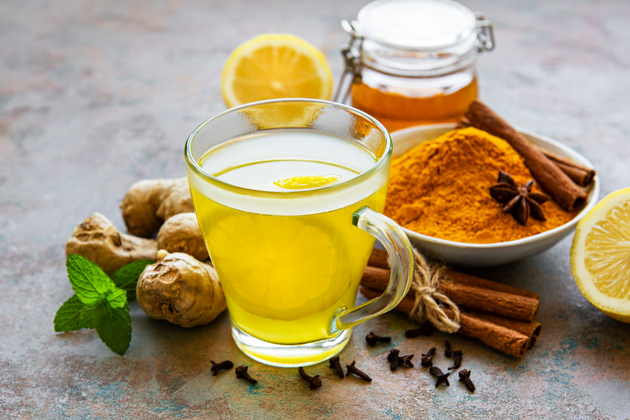
Turmeric isn’t just functional; it’s emotional.
The gaye holud ceremony—good wishes for a new life.
Turmeric in puja—symbol of purity.
Turmeric-mustard paste for newborns—protects their skin.
These customs come from thousands of years of observation. People figured out turmeric worked long before lab tests existed. Now science is proving them right.
7. How to Spot Pure Turmeric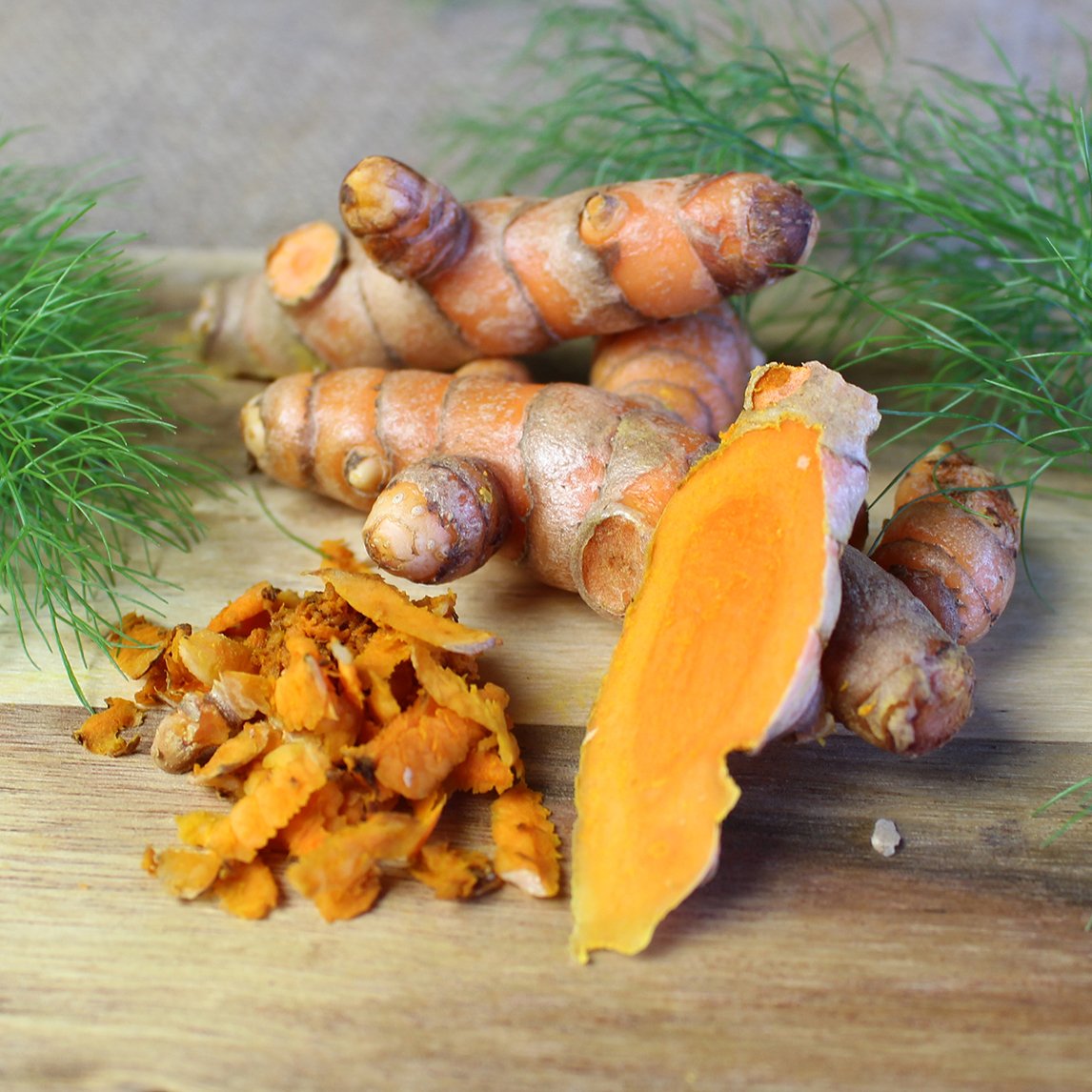
The market has a lot of adulterated turmeric. Metanil yellow, a chemical dye, is sometimes added to make the color brighter. It’s harmful to the liver.
*How to check:*
- Pure turmeric isn’t neon yellow. It’s a duller, earthy yellow.
- Mix in water: if it settles cleanly and the water stays clear, it’s pure.
- Smell it: earthy and warm, not chemical and sharp.
- If possible, buy whole turmeric and grind it at home.
8. How to Add Turmeric to Your Daily Routine
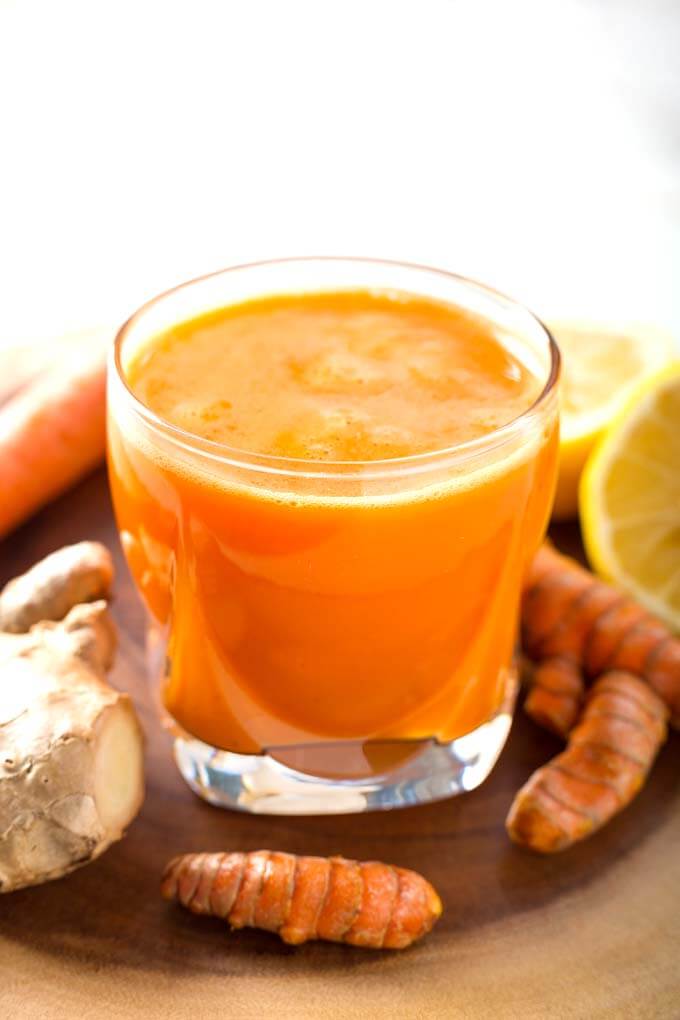
*Morning*: Warm water with lemon, turmeric, and honey. Boosts metabolism.
*Afternoon*: Use it regularly in cooking.
*Night*: Golden milk. Better sleep, stronger immunity.
*Twice a week*: Face pack.
Do this for a month and you’ll notice the difference. Digestion improves, skin glows, and minor colds happen less often.
9. Let’s Break Some Myths

*Myth 1*: Eating turmeric turns your skin yellow.
*Truth*: You’d have to eat an impossible amount. And any staining from face packs washes off.
*Myth 2*: Turmeric cures everything.
*Truth*: It helps, but it’s not magic. It’s not a replacement for medical treatment.
*Myth 3*: More turmeric means more benefit.
*Truth*: Balance matters. Too much can backfire.
Final Thought
Turmeric teaches us that the most powerful things are often the simplest. A root hidden underground can change the taste of food, heal wounds, brighten skin, and lift your mood.
We can chase expensive creams and supplements all we want, but that little jar in the kitchen doesn’t lose its value. Because it’s not just a spice. It’s our grandmothers’ knowledge, our culture, and nature’s gift.
So next time you open the turmeric jar, don’t just think about cooking. Think about the centuries of wisdom packed into that golden dust. Use it, but use it with care. Magic only works when you respect it.
Do you already use turmeric for any special recipes or face packs? If you do, which one’s your favorite and why do you think it works for you?


No comments